

Heavy Flooding Causes Damage to Homes
After 4 to 9 inches of rain fell Tuesay in central Miami-Dade County, the threat for locally heavy rains continued Wednesday.
A flood watch remains in effect for all of Miami-Dade County through 8 p.m. Thursday, the National Weather Services says.
A record 5.54 inches of rain fell in Miami Tuesday, easily eclipsing the previous high total for May 22, according to the National Weather Service.
The National Weather Service issued a flood advisory for northeastern Miami-Dade and southeastern Broward until 1 p.m., including the areas of Tamarac, Sunrise, Pompano Beach, and Plantation.
Flooding was reported in areas throughout Miami-Dade, even causing Miami-Dade College to cancel classes on its West Campus. Morning classes were again suspended Wednesday.
Some of the heaviest flooding was reported in Doral and Sweetwater, where record rainfall was recorded.
In Doral, officials reported severe flooding on several streets, including: Northwest 79th Avenue between Northwest 25th Street and Northwest 58th Avenue; Northwest 84th Avenue at Northwest 36th Street; Northwest 87th Avenue at Northwest 36th Street; and Northwest 33rd Street between Northwest 82nd Avenue and Northwest 97th Avenue.
Doral Public Works personnel were doing a citywide assessment Wednesday.
“We are trying to provide people with an alternative. If they’re experiencing some flooding issues we’re providing sandbags free of charge,” Public Works Director Eric Carpenter said.
The water was about an inch deep in Dennis Honeywell’s house in Doral.
“We were up until two in the morning bailing water out of the house,” he said.
Streets in Honeywell’s neighborhood near Northwest 97th Avenue and Northwest 25th Street looked like canals, as photos he took showed.
Just two blocks away, Rick Carcas’ street was dry, as the storm drains there appeared to function better. He said only so much water can go down the drain “when you have canals that are not going out to the ocean anymore.”
“Mother nature is Mother Nature. At some point you have to give her the credit for some of this,” he said.
Sweetwater officials said all city streets were dry Wednesday and there were no reports of residential or business flooding.
For Wednesday, expect cloudy skies with scattered downpours and highs at 84. Some thunderstorms are possible and rainfall amounts could range from one to three inches.
The threat for heavy rain across South Florida and the Keys will continue overnight. Low temperatures will level out in the mid-70s.
While there might be a little more sunshine Thursday, afternoon showers and thunderstorms are still possible.
Storm chances continue through the work-week with more sunshine in the forecast over the long holiday weekend.
- Published in In the News
Could Your Insurance Withstand a Hurricane?
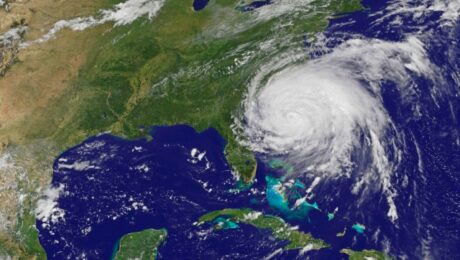
 No one likes thinking about damage to their home and property from hurricanes. But it happens, and sometimes it’s catastrophic. Here’s what you should know and do now about hurricane insurance coverage.
Know What You Have
The biggest mistake people make is not knowing what coverage they have, says Leslie Chapman-Henderson, a former insurance executive and head of FLASH, the Federal Alliance for Safe Homes.
“On top of the practical problems … with trying to settle a claim, the last thing you need at a time of emotional distress is not knowing where you stand,” she says.
So read your policy, and then call your insurance agent. Make sure you understand the limits, deductibles and replacement coverage.
Most policies cover hurricane losses, but coverage varies.
If you’ve recently remodeled the house, replaced the roof or added hurricane protection such as shutters, tell your agent. Those changes can affect your coverage and costs.
Ask if you’re covered for additional living expenses — namely hotel and restaurant bills you’ll have to pay if you can’t live in your home while it’s being repaired.
Insure your home for what it would cost to rebuild it, not its market value, advises Lynne McChristian, Florida representative for the Insurance Information Institute, or III.
Now that the real estate market is down from its peak, people mistakenly think the insurance should match their home’s lower value, she says.
Note: If a storm is within a certain distance, or if a hurricane watch or warning has been issued, you won’t be able to get new insurance or change existing coverage. How the cut-off is applied varies by company and state.
Deductibles Come in 2 Varieties
In areas susceptible to hurricanes, deductibles may be in the traditional dollar amounts or may be a percentage of your home’s insured value. Many insurers use the percentage deductibles to limit their exposure to big losses from storm damage, according to the III. Percentages typically range from 1% to 5% but could be higher in coastal areas with high wind risks.
If you have a 2% deductible, for example, and your home is insured for $150,000, the first $3,000 comes out of your pocket.
Keep in mind that a higher deductible will lower your premium.
Incentives and Discounts
You may be able to get discounts on hurricane-related insurance in three ways: if you have protection for your house, such as shutters; if your town enforces its building code; or if your home’s construction permit was issued under the most recent building code.
Your insurance agent will know of any price incentives the company and your state provide in exchange for measures taken to minimize potential hurricane damage, says Chapman-Henderson of FLASH.
No discounts available? Give yourself a break by taking a higher deductible if you feel more protected because the house has state-of-the-art hurricane shutters or was built under the latest code.
Homes built to the latest code can be expected to withstand more punishment from storms. But Chapman-Henderson suggests hiring a professional to inspect your home so you can be sure it’s sound.
Can’t Get Insurance?
There are two reasons you may not be able to get insurance: You let your homeowners policy lapse, which looks bad to insurers; or the insurance market in your area has shrunk, likely after a hurricane strike caused millions of dollars in damage.
In tight markets, a state “wind pool” may offer last-resort coverage. For example, Citizens Property Insurance Corp. operates in Florida, and Texas has the Texas Windstorm Insurance Association.
Flood Insurance is Extra
You may need additional insurance against the risk of flood damage from hurricanes.
“Flood insurance is the only way to cover floods,” Craig Fugate, the head of FEMA, the Federal Emergency Management Agency, told Bankrate during a White House online chat. “Your homeowners policy doesn’t.”
Your mortgage company likely will let you know if you are in a flood zone and require a flood policy. Or, you can check with your insurance agent, who should be able to provide the coverage through FEMA’s National Flood Insurance Program. Insurance also is available directly from the program. Policies cost an average of $600 per year and provide coverage of up to $250,000 for a home and up to $100,000 on its contents.
You’ll need flood insurance even if you live in a high-rise or a home on stilts, warns McChristian.
And there’s a 30-day waiting period for flood insurance to take effect. So don’t dawdle.
Other Property Coverage
- Car: Hurricane damage would be covered under the comprehensive portion of your auto insurance. That includes flooding, says McChristian.
- Boat: You’ll need a separate marine policy, which includes windstorm coverage, she says.
- Collectibles/jewelry: Your pricey art collection or diamond jewelry will require coverage under a separate rider to your policy. Ask your agent if the items should be appraised or if photos and receipts are adequate, advises Chapman-Henderson. Find out if the rider will count toward your total contents limit.
- Sheds/pool screening: Coverage varies; check with your agent.
Be Ready
Inventory your property. Take photos of your home’s interior, exterior and contents. Keep a backup on a flash drive or disk in a safe deposit box, along with purchase receipts.
When a hurricane approaches, make sure you have the contact information for your insurance agent. Be sure to have your homeowners and flood insurance policy numbers, too.
- Published in In the News
Top 5 Insurance Myths

 Myths regarding insurance are pervasive, and home insurance is no different. InsuranceHotline.com dispels the top 5 myths that have sprouted up around home insurance, making it easier for insurance buyers to shop and purchase with confidence.
May 15, 2012
Understanding the world of insurance can be difficult, and it doesn’t help that there are so many myths and misconceptions circulating. Home insurance myths can be very costly, resulting in homeowners not having the right coverage or overpaying for their policy. Get the truth behind these five common myths surrounding home insurance, and avoid insurance buying mistakes that could be expensive.
Myth #1. A home should be insured for the purchase price. How much it cost to buy a home is not the amount that it would cost to rebuild that home. A number of other factors come into play in determining the market value of a home – the value of the land, the popularity of the neighborhood, and even things like a view. The replacement value of the home does not include the land or the view, but only the structures on the property and the contents. A home should be insured for replacement cost, not market value.
Myth #2. Water damage is covered under home insurance. Only some forms of water damage may be covered by home insurance policies. Usually what is covered is “sudden and accidental discharge of water†such as damage caused by a burst pipe. Flood damage is not typically covered by a standard home insurance policy, so those in an area at risk of flooding will need to purchase a separate flood insurance policy. Additionally, some damage that is a result of water in the home may not be covered, such as mold.
Myth #3. Home insurance covers needed upgrades. Whether it’s the roof that is getting old or a tree that is dying and poses a risk of falling, home insurance is not in place to cover wear and tear on the home or proactive measures to avoid loss. It exists to return a home to a pre-loss state after an unexpected occurrence such as fire or theft. Maintenance of the home is the homeowner’s responsibility and not part of the insurance coverage.
Myth #4. Natural disaster-related damage is always covered. While some nature and weather related damage is covered on a home insurance policy, not everything is covered. Wind, lightning, and hail damage may be covered, while earthquakes, flood, and landslides typically are not. It depends on the terms of the policy. Extra coverage is usually required to provide for all potential natural disasters. It’s important to read all of the covered perils and the exclusions in order to be aware of what is covered.
Myth #5. All personal property in the home is fully insured. While a home insurance package policy comes with contents coverage for personal property, there are limits and exclusions. High-value items such as jewelry, art, musical instruments and electronics usually have a per-item and total limit. To cover these items to their actual value, additional coverage is required. It’s also important to note that business equipment owned by a company is not generally covered under a home policy unless an endorsement is made adding home office coverage.
A home is a big investment, and home insurance is designed to protect that investment from many common perils. “It’s vital that homeowners understand what is and is not covered, and obtain any needed additional coverage, endorsements, or riders to protect themselves in full.†Tammy Ezer of Insurance Hotline.com advises. Clearing up these common myths makes it easier to do just that.
- Published in In the News
Being Prepared Before a Hurricane Hits
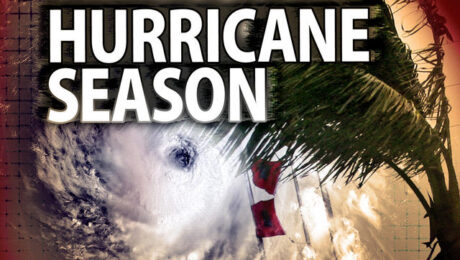
 What should I do?
- Listen to a NOAA Weather Radio for critical information from the National Weather Service (NWS).
- Check your disaster supplies and replace or restock as needed.
- Bring in anything that can be picked up by the wind (bicycles, lawn furniture).
- Close windows, doors and hurricane shutters. If you do not have hurricane shutters, close and board up all windows and doors with plywood.
- Turn the refrigerator and freezer to the coldest setting and keep them closed as much as possible so that food will last longer if the power goes out.
- Turn off propane tanks and unplug small appliances.
- Fill your car’s gas tank.
- Talk with members of your household and create an evacuation plan. Planning and practicing your evacuation plan minimizes confusion and fear during the event.
- Learn about your community’s hurricane response plan. Plan routes to local shelters, register family members with special medical needs as required and make plans for your pets to be cared for.
- Evacuate if advised by authorities. Be careful to avoid flooded roads and washed out bridges.
- Because standard homeowners insurance doesn’t cover flooding, it’s important to have protection from the floods associated with hurricanes, tropical storms, heavy rains and other conditions that impact the U.S. For more information on flood insurance, please visit the National Flood Insurance Program.
Click Below to read the flood safety checklist, and repairing a flood handbook.
For more information call All American Public Adjusters, Inc at 800.501.1230 for more tips on getting prepared, or email us at info@getclaimhelp.com. It’s important that you get prepared, and fast!
- Published in In the News
Heavy Rains Causes Flooding
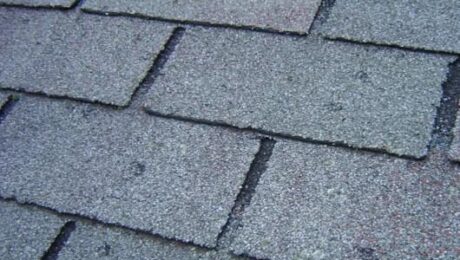
MIAMI (WSVN) — Strong storms struck down for the third day as parts of South Florida saw more heavy rain, flooding and hail.
Storms soaked South Florida on Wednesday and once again caused barely visible conditions, flooded streets and an overall soggy afternoon. The storm was so severe that even hail fell from the sky.
Tourist Steve Kelly didn’t think hail could hit down on South Florida. “I don’t believe that there is hail today,” he said. “I’m from Colorado and I don’t think it was cold enough for there to be hail.”
But hail did fall down in some areas during the thunderstorms proving the weather element can occur in warm temperatures. “It was insane. It hailed like the size of marbles and it was hitting hard,” said Arenna Rathjens, who saw the hail.
“I’ve never seen hail in Miami before,” said one man.
 In addition to hail, downpour caused street flooding in several neighborhoods from North Miami to Miami Beach to Fort Lauderdale.
The thunderstorms went through Bay Harbor Islands and west to Hialeah.
Back at a restaurant in Brickell, the hail received quite a reception. “And all of a sudden, it started hailing pretty bad and everybody started clapping,” laughed Ozzie Carrillo. “It’s something you don’t see everyday, you know?”
- Published in In the News
As weather gets biblical, insurers go missing
As weather disasters strike with more frequency, homeowners first get hit with the destruction or total loss of property. Many are then hit with the unexpected loss of homeowners insurance policies as insurance companies re-evaluate their financial liabilities.
South Florida, last year, R. Paula Lazzari’s home was badly damaged. The retired teacher found broken windows, missing siding and a damaged roof. Her insurer offered to fund repairs for one broken window and some of the siding. It took nine months — and mediation services from an independent adjuster and the Massachusetts Division of Insurance — to get her bills paid, according to the parties involved.
In this era of unpredictable weather patterns, Lazzari’s case is not unique. Insurance companies are raising rates, cutting coverage, balking at some payouts and generally shifting more expense and liability to homeowners, according to reports from the industry and its critics.
“Insurance companies have significantly and methodically decreased their financial responsibility for weather catastrophes like hurricanes, tornados and floods in recent years,” the Consumer Federation of America said in a statement after studying industry data.
The industry concedes that it is trying to avoid getting trounced by those same punishing weather patterns.
“Last year (2011) was an extraordinary year for natural disasters,” said Michael Barry of the Insurance Information Institute (III), an industry trade group. “Insurers have taken a step back to assess whether or not they can absorb severe losses.”
STATES LEFT IN THE COLD
Some insurance companies have pulled out of weather-challenged states — meaning they will not write new homeowners policies and may not renew contracts with current policyholders.
In the wake of Hurricane Irene last summer, for example, Allstate informed some 45,000 North Carolina policyholders that it would not renew contracts that were not bundled with auto insurance.
After a spate of tornadoes last April caused $11 billion of property damage in Alabama, Alfa Mutual Group announced it would not renew 73,000 Alabama property insurance policies.
“The increased frequency and severity of storms over the last decade have highlighted the need for Alfa to review its overall property portfolio,” Alfa President Jerry Newby said in a statement.
Florida, where insurers have been dropping coverage since Hurricane Andrew in 1992, is a good example of where this can lead. With an annual average of $1,460 per home, homeowners’ premiums there are second-highest in the country (Texas, at $1,511 is first), according to the most recent data available, a 2010 report from the Insurance Information Institute.
“Florida’s off the charts when it comes to pricing,” said Mike McCartin, an Ashton, Maryland, independent insurance agent.
The state has stepped in to cover some 1.5 million properties via its publicly funded Citizens Property and Insurance Corporation as insurers drop more and more homes.
“You simply have major private insurers that are unwilling to write policies in Florida,” said Robin Westcott, the state’s insurance consumer advocate.
“It’s just a tough market to be in,” said Phil Supple, a spokesman for State Farm, which was once Florida’s largest property insurer. It stopped writing new homeowners’ policies there in 2007.
CHERRY-PICKING OF CUSTOMERS
Even though companies are not abandoning states at will, many opt to drop coverage on individual homes or customers that may seem prone to file claims. Insurers generally work on three-year contracts with homeowners, Barry said. At the end of those contracts, insurers can decide to raise rates or not renew.
When frozen pipes caused flooding in Phil Berger’s Ijamsville, Maryland, home last year, he got a $6,000 check from Allstate for the damages — and a policy review. Berger said an Allstate contractor told him to make $100,000 in repairs to his home at his expense or he would lose his coverage. He refused, and instead found a less expensive policy with a company that required only one smaller repair before covering the home.
“You just need to be on your toes at all times,” Berger said.
Allstate declined to comment on Berger’s case, but sent an email response to general questions about the company’s nonrenewal policies.
“Allstate responsibly manages its risk by opting to not renew policies as warranted,” company representative Kevin Smith wrote. “These actions are carefully considered, and help ensure Allstate’s continued ability to provide a wide variety of insurance products to consumers at a competitive rate, while remaining financially strong in every community we serve.”
PAYING MORE FOR LESS
Even homeowners that renew every year may find new limits buried in their policies. The Consumer Federation report said insurance companies have “sharply hollowed out the catastrophe coverage offered to consumers” by raising deductibles, capping replacement costs, and — significant for folks in the path of tornadoes and hurricanes — removing coverage for wind damage if another non-covered event (usually a flood) also occurs.
Industry groups say this misstates the facts.
“The …(CFA) could not be more wrong,” said Dr. Robert P. Hartwig, president of the Insurance Information Institute. “Cities such as Tuscaloosa, Birmingham and others are being rebuilt today because of private insurance companies paying losses — not from ‘hollowed out coverage’ policies.” Insurers have paid “literally billions” of dollars to “hundreds of thousands of claimants” affected by natural disasters, he said.
Hartwig also defended the practice by some insurance companies of leaving certain states or regions.
“If you tell an insurance company that they can’t raise rates despite nine hurricanes in two years, obviously insurers are going to have to reduce exposure,” he said.
But homeowners’ insurance premiums have been rising sharply. They have increased an average 6.33 percent annually between 2002 and 2009, according to the National Association of Insurance Commissioners (NAIC). This year, insurers have asked for rate increases of 18 percent or more in 11 states, according to the Consumer Federation.
Robert Hunter, the author of the consumer report, has questioned whether limit-laden policies are worth the rising costs. But mortgage lenders require homeowners insurance, and anyone who has observed a devastating house fire or storm is unlikely to be willing to go without coverage.
COMPARISON SHOPPING
So how can consumers, who have little choice but to keep their coverage, do as Berger suggests and keep on their toes?
Hunter tells homeowners to shop carefully. “Go on your state’s insurance policy website and look for houses similar to yours to compare prices,” he said.
The NAIC provides a map to all state insurance offices on its website, www.naic.org/state_web_map.htm), and provides information about consumer insurance complaints.
Hunter also recommends checking comparison websites such as insuranceproviders.com (www.insuranceproviders.com) or insweb.com (www.insweb.com) for companies with favorable consumer reviews for in your state.
Another step is to get a professional agent to help, said Jim Donelon, Louisiana’s insurance commissioner and president-elect of the NAIC.
“I recommend you talk to as many people as you can. Get an independent agent — someone who’s not attached to a specific company — and get in touch with captive agents but know that captive agents can only represent their company.”
The agents can check to make sure no important coverage — like wind — has been carved out of the policy.
Compare what the agents offer with what you can find online, said Randy Moses, assistant director with the South Dakota Insurance Department.
Even after getting coverage, consumers may find they need extra help. Lazzari needed both an independent broker and a public adjuster to resolve her case. Her insurer, Norfolk Dedham Insurance, not only initially refused to pay for most of her home repairs, but also planned to drop her as a customer, she said. Francis T. Hegarty Jr., president and CEO of Norfolk & Dedham Group, confirmed her version of events, but said it was not unusual for claims such as Lazzari’s to take time to resolve.
Lazzari contacted an independent broker who worked with Norfolk Dedham to successfully complete her home repairs. But the broker said switching insurers would increase her payments 185 percent. That’s when Lazzari contacted the Massachusetts Division of Insurance to find a public adjuster, who eventually persuaded Norfolk Dedham to keep her on its rolls.
“We were eventually able to work things out with Ms. Lazzari,” said Francis T. Hegarty Jr., president and CEO of Norfolk & Dedham Group. “In these kinds of cases with independent adjusters, the claims tend to get strung out and tend to take longer to resolve than they would otherwise. But cases like case are pretty common and, all in all, we’re pleased with how things turned out with her.”
- Published in In the News
Insurance Claim Help

 Do You have Property Damage? Let us help you get the money you deserve! Don’t settle what insurance company offers you if you don’t understand the policy. We are licensed and bonded public adjusting company which most important provides representation to homeowner and Business owners who don’t understand the policy,coverages and material cost to repair there property after damage . We will come to you and evaluate and review your policy, Create an Estimate of damage and negotiate with the insurance company for a maximum settlement your home deserves. No Recovery No Fee. Insurance company Have their own adjuster why don’t you.
Don’t fight the insurance company on your own.
Residential and Commercial loses
Flood Damage,Water Damage,Fire Damage, Roof Leak,Vandalism, Sink holes.
WE CAN HELP!!
[representyouinsurancepolicies] [footer1]- Published in Insurance Claim Representation
Fire Damage Insurance Claims Handled with Public Adjusters
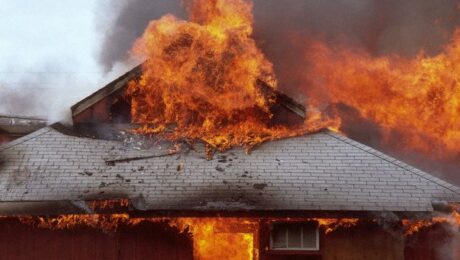
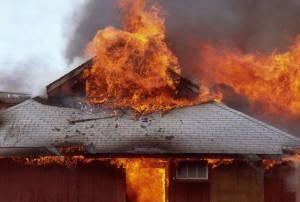 On a daily basis, families witness the types of horror and damage that a house fire affects. Unfortunately, many people do not understand or realize the true nature of fire and what it can do. Every year more than 4,000 Americans die and approximately 20,000 people are injured in fires. If more people were aware of how to prevent fires, less and less incidents would occur.
According to the National Fire Protection Association (NFPA), there are a few simple facts that homeowners should know in order to reduce fire deaths:
Fire is FAST! (There is little time!)
Most fires occur in homes where people are usually asleep. If you happen to wake up to a fire, you have very little time to take valuables because fire spreads very quickly, and the smoke from the fire is extremely thick. In 30 seconds or less, a small flame can become completely out of control and turn into a major fire. The only time you have is to escape! Don’t focus on your belongings; focus on you and your family arriving safely out of the house.
Fire is HOT! (Heat from a fire is more dangerous than flames.)
When a fire hits a room, temperatures can be 100 degrees at floor level and up to 600 degrees at eye level – the heat alone can kill individuals. Inhaling this level of heat can have an extremely damaging effect on your lungs. Additionally, this level of heat can even melt the clothing you wear to your skin. Once a fire hits a room, everything can ignite at once in under 5 minutes, which is also known as a flash over.
Fire is DARK! (Fire isn’t bright, its PITCH BLACK!)
Fire begins by looking like a bright light, and rapidly produces black smoke and total darkness. Because of the extreme darkness, if you were to wake up to a fire, you may be blinded, perplexed, and unable to find your way around your own home.
Fire is Deadly! (Flames kill less people than Smoke and Toxic gases.)
We all need oxygen to breathe, but when a fire hits, it uses up all of the oxygen you need and ends up producing fatal smoke and poisonous gases. Because the fumes are colorless and odorless, they can get you into a deep sleep before the flames even reach your door and cause you not to wake up in time to evacuate your home.
In the event of a fire remember that time is not on your side and every second counts. Be sure to evacuate your home first, and then call for help. Be sure to design a fire evacuation plan for your home to meet outside. Make sure that you each member of your family has two known ways of escaping in case there is a fire. Also, try to practice this with your family and remember to always crawl low under the smoke and keep your mouth covered. Never return to your home for any reason. Your life will be at risk. Lastly, be sure that your home fire alarm is working and be sure to test it regularly. It will increase your chances of surviving a fire!
Our Adjusters Have Handled a Variety of the Following Types of Fire Damage Losses:
Commercial Fires, Condominium Fires, Residential Fires, Business Fires, Chimney Fires, Electrical Fires, Kitchen Fires, Cooking Fires, Barbecue Fires, Grease Fires, Smoke Damage, Brush Fires, Fires from lightning, Near Total Loss Fires, Rental Apartment Fires, Arson, Heater Malfunctions, Fireplace, Fire Exposure, (from your house of your Neighbors), Cooking appliances, Accidental Fires (eg. cigarettes, child mishaps, etc)
[footer1]
- Published in Featured
Vandalism Damage Insurance Claims
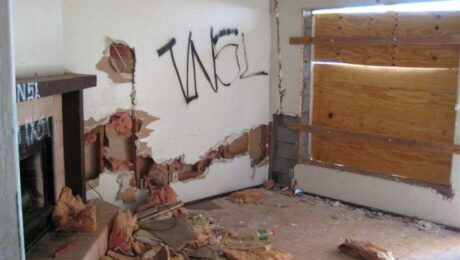
 What To Do After Your Home Has Been Vandalized
1. Promptly report the loss to the police. Don’t touch or move anything until the
police have arrived, performed any investigating or collecting of evidence they
need to do and completed their report.
2. Contact your Public Adjuster to assist if filing a claim with your insurance
company. Most standard homeowner’s insurance policies cover damages caused
by vandalism.
3. Protect property from further damage by arranging for reasonable temporary
repairs as soon as possible. Do not make any permanent repairs until the insurance
adjuster has had a chance to review the damage.
4. Keep an accurate record of all temporary repair expenses so that you can add the
amount to your claim. Also, keep an accurate record of any and all expenses
incurred to be considered for possible reimbursement.
5. Determine the damage to your personal property. Make a written list of what was
damaged. To be as accurate as possible, please include the manufacturer, brand
name and the place and date of purchase.
- Published in Featured
Pipe Break Flood Damage Claims
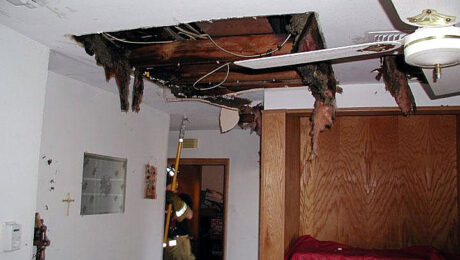
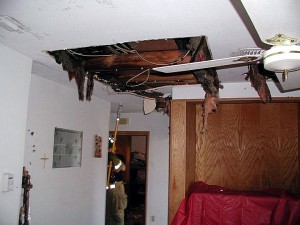
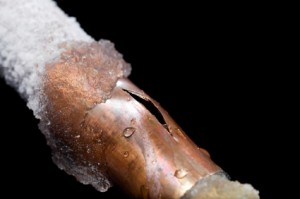
Having a pipe break in the home from plumbing problem can be one of the most frustrating experiences for a homeowner to have. If a pipe break and water damage occurs in your home, it is important to take the necessary steps in ensuring that you do can recover the damage that has occurred.
- Prevention is Key: Proper maintenance and insulation are essential. The reason why most pipes break and water damage is due to cold weather. Regularly check your pipes and make sure that they stay warm during the cold months.
- File a Insurance Claim Immediately: Contact your insurance agent or your insurance claims department as soon as you notice water leaking from a pipe break. They will set up a time when an adjuster can come and take a look at your property to assess the home damage.
- Get Rid of the Wet Materials and Dry Out the Floors and Walls: In order to prevent any additional damage from occurring, you need to get rid of any wet materials, including carpet or flooring that is damaged. Calling a water mitigation company will assist you in making sure that the water is removed effectively and the property is dried out. NOTE: some insurance companies may deny some portions of the claim under NEGLECT if proper attention is not made in water mitigation and also take lots of pictures.
- Document All Damaged Items: Make sure you take inventory of any and all items that suffered damage during the pipe break.
- Contact Your Plumber: Your insurance company is going to need a plumbers invoice in order for you to have your plumbing put back to how it was.
- Contact an Insurance Professional – Public Adjuster: Using a Public Adjuster, an insurance consultant who works for the homeowner and not the insurance company, will help you maximize your insurance claim.  A Public Adjuster is an expert in insurance policy and claim handling. Water claims can be complicated, and hiring a public adjuster will help you get reimbursed fully for the property damage.
 [footer1]
- Published in Featured