
Roof Damage Claims
Get help with roof damage insurance claims, including storm, hail, wind, leaks, matching, code upgrades, decking, and underpaid roof estimates.
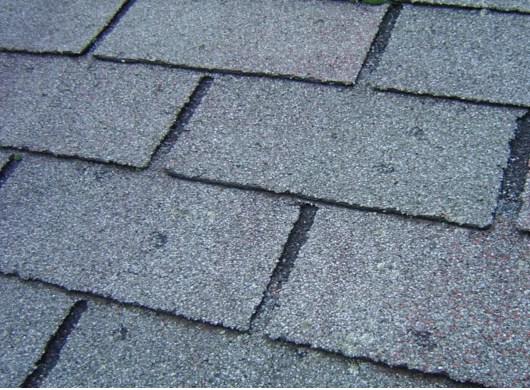
Roof Claim Help
Roof Damage Claims
Roof damage claims are often disputed because the insurance company may blame age, wear, installation, maintenance, or old damage instead of the storm, wind, hail, impact, or covered event.
Get Claim Help reviews roof damage insurance claims for policyholders who need the roof, exterior damage, interior leaks, estimate, and documentation evaluated from the policyholder side. For 20 years, we have helped homeowners, businesses, associations, and property managers organize roof claim evidence before accepting a low or denied outcome.
A roof claim is not only about shingles or tiles. It can involve underlayment, decking, flashing, vents, gutters, siding, windows, interior ceilings, insulation, code requirements, matching concerns, and temporary repairs.
Direct Answer
A roof damage claim is a property insurance claim for roof and related property damage caused by wind, hail, storm, impact, falling objects, hurricane conditions, tornado damage, or another covered event. The claim should be reviewed with photos, inspection findings, repair estimates, interior leak evidence, policy language, and the insurance estimate.
What Roof Claims Often Include
- Roof surface damage: shingles, tiles, metal panels, membranes, flashing, vents, ridges, valleys, and penetrations.
- Exterior damage: gutters, downspouts, siding, fascia, soffit, windows, screens, fences, and detached structures.
- Interior damage: ceiling stains, wall damage, insulation, flooring, paint, contents, and hidden water intrusion.
- Repair questions: replacement versus repair, matching, code upgrades, decking, underlayment, access, permits, and material availability.
- Dispute issues: age, wear and tear, prior damage, installation, maintenance, storm date, and whether the damage is covered.
Where Roof Claims Get Underpaid or Denied
Roof claims often turn on documentation. The carrier may inspect quickly, pay for a small repair, deny the roof as old damage, or miss related interior and exterior damage. A strong claim file connects the event, roof condition, damage pattern, repair scope, and policy language.
Storm Date and Damage Pattern
Photos, weather history, inspection notes, and surrounding property damage can help explain when and how the damage occurred.
Repair Versus Replacement
A small patch may not address matching, brittle materials, code requirements, widespread damage, or realistic repair feasibility.
Interior Leak Evidence
Ceiling stains, wet insulation, wall damage, flooring damage, and contents may support the roof-related water path.
Estimate Gaps
Decking, underlayment, flashing, ventilation, gutters, code items, permits, and labor access are often missed or underpriced.
Documents That Help a Roof Damage Claim
- Roof photos, exterior photos, interior leak photos, closeups, slope photos, and wide property views.
- Contractor, roofer, engineer, or building consultant reports and repair estimates.
- Insurance estimate, payment letter, denial letter, inspection notes, and depreciation breakdown.
- Weather information, storm date notes, emergency tarp invoices, temporary repair records, and mitigation invoices.
- Interior repair estimates, contents records, moisture readings, and documentation of water intrusion.
- Policy, declarations page, endorsements, roof exclusions, cosmetic damage language, matching issues, and code coverage information.
How Get Claim Help Reviews Roof Claims
- Review the claim status. Open, denied, paid, underpaid, supplemented, or closed roof claims need different next steps.
- Compare the roof evidence to the estimate. Photos, contractor findings, storm details, and interior damage should line up with the repair scope.
- Review the policy issues. Deductibles, roof age provisions, exclusions, code coverage, matching, cosmetic damage, and replacement-cost language can matter.
- Identify missed related damage. Gutters, siding, windows, ceilings, walls, insulation, and contents may belong in the same claim file.
- Explain the next practical step. That may be better documentation, estimate review, supplement support, negotiation, appraisal review, or denied-claim review.
Roof Claim Examples
A hail claim may pay for a few roof repairs while missing gutters, soft metals, vents, siding, window screens, and interior leaks. A wind claim may be denied as wear and tear even though the policyholder has storm-date evidence, lifted shingles, creased tabs, water intrusion, and emergency tarp invoices. A roof leak may be treated as an interior-only claim even though the roof opening and exterior damage need review.
The goal is not to force every roof claim into the same answer. The goal is to review the evidence, policy language, repair scope, and estimate before accepting the carrier’s version as final.
Mini Checklist Before Accepting a Roof Claim Payment
Roof damage claims should be reviewed before the payment is treated as final because roof estimates often miss related damage or reduce the loss to a small repair. A useful review compares the roof condition, event evidence, interior leaks, exterior damage, policy language, and repair feasibility.
- Confirm the reported date of loss, storm history, photos, inspection findings, and damage pattern.
- Check all roof slopes, vents, flashing, ridges, valleys, gutters, downspouts, siding, windows, and soft metals.
- Review interior ceilings, walls, insulation, flooring, and contents for roof-related water intrusion.
- Compare repair versus replacement, matching, decking, underlayment, code, permits, access, and material availability.
- Read the policy for roof age provisions, cosmetic damage wording, exclusions, deductibles, code coverage, and replacement-cost rules.
Trust and Proof Signals in a Roof Claim
A stronger roof claim ties the visible damage to the event, the repair scope, and the policy. The file should not depend on a single closeup photo or a quick slope count. It should include wide roof photos, close details, interior leak documentation, contractor findings, emergency repair records, and a clear explanation of why the estimate does or does not match the actual repair path.
Get Claim Help reviews roof claim files for missing scope, weak documentation, low pricing, denial language, and related interior or exterior damage that may need to be added before the claim is closed.
Related Claim Help
Frequently Asked Questions
What if the insurance company says my roof damage is wear and tear?
The wear-and-tear position should be compared with storm date, damage pattern, roof photos, contractor findings, interior leak evidence, and policy language.
Can a roof claim include interior water damage?
Yes, when the water intrusion is connected to covered roof damage. Interior ceilings, walls, insulation, flooring, and contents should be documented.
What if the insurance estimate pays for repair but my contractor says replacement is needed?
The difference should be reviewed through repair feasibility, matching, code, material condition, damage spread, and supporting documentation.
Should I tarp the roof?
Policyholders usually have a duty to take reasonable steps to prevent further damage. Save photos and invoices for emergency tarping or temporary repairs.
Can Get Claim Help review a roof claim that was already denied or paid?
Yes. Paid, denied, underpaid, and closed roof claims can be reviewed to understand what the file shows and what may be missing.
Request a Roof Claim Review
If the roof estimate is low, the claim was denied as wear and tear, or interior damage was left out, ask for a review before treating the insurance decision as final.
Free claim review
Ask Get Claim Help to Review Your Claim
Send the claim team a few details and start with a practical review of the loss, the policy, and what has happened so far.
Prefer to talk now? (888) 882-6792