
Commercial Insurance Claims
Commercial insurance claim help for business property damage, inventory, equipment, business interruption, extra expense, and complex claim disputes.
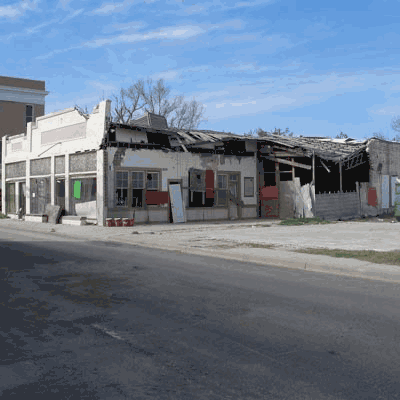
Commercial Claim Help
Commercial Insurance Claims
A commercial insurance claim can affect the building, the business, the employees, the tenants, the inventory, the equipment, and the revenue stream at the same time. The insurance company may look at the claim as an estimate. You have to look at it as a recovery plan.
Get Claim Help reviews commercial property insurance claims for business owners, building owners, property managers, associations, and commercial policyholders who need a complete claim file before accepting a settlement. For 20 years, we have helped policyholders document damage, organize proof, and challenge estimates that leave out real repair costs or business impacts.
Commercial losses often have more moving parts than residential claims. Damage to tenant improvements, machinery, equipment, finished stock, records, signage, refrigeration, code items, access work, and operations can be missed when the claim is handled too narrowly.
Direct Answer
A commercial insurance claim is a property insurance claim filed by a business, building owner, association, or commercial policyholder after damage to a covered property, business asset, inventory, equipment, tenant improvement, or income stream. These claims often require property estimating, policy review, documentation of operations, and careful support for any business interruption or extra expense portion of the loss.
What a Commercial Claim May Include
- Building damage: roofing, exterior walls, interiors, flooring, ceilings, mechanical systems, electrical, plumbing, windows, doors, signage, and common areas.
- Business property: furniture, fixtures, equipment, machinery, computers, files, tools, inventory, supplies, stock, and improvements.
- Operational losses: business interruption, extra expense, temporary relocation, loss of access, delayed reopening, and continuing expenses.
- Specialized costs: code upgrades, permits, engineering, environmental cleanup, refrigeration loss, specialty cleaning, debris removal, security, and emergency services.
- Ownership issues: landlord and tenant responsibilities, association responsibilities, leases, maintenance records, and division of covered property.
Where Commercial Claims Get Underpaid
Commercial claim estimates can miss the true scope because the carrier may price visible physical damage without fully accounting for business use, repair sequencing, specialized trades, loss of access, tenant improvements, inventory handling, or the cost to return the property to functional condition.
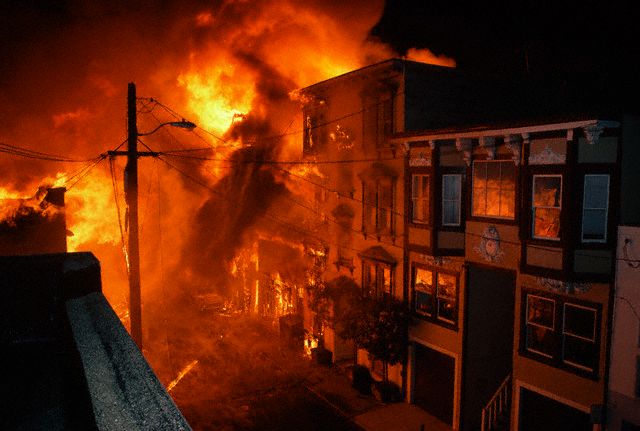 Business InterruptionConnect income loss, extra expense, repair timing, access problems, and operational impact to the property claim.
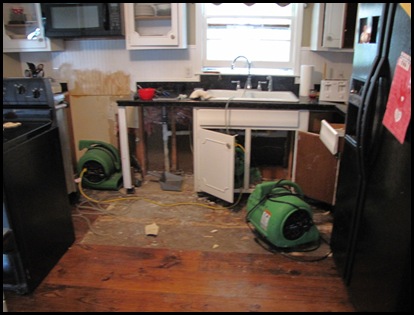 Damage DocumentationCommercial claims need records for building damage, equipment, inventory, tenants, invoices, and operations.
 Policy ReviewReview limits, endorsements, business property coverage, income forms, deductibles, and exclusions.
 Underpaid ClaimsCommercial settlements can miss specialty trades, tenant improvements, stock, equipment, and code work.
Documents That Help a Commercial Insurance Claim
- Insurance policy, declarations, endorsements, deductibles, limits, and any business income or extra expense coverage forms.
- Carrier estimate, payment letter, denial letter, reservation of rights letter, depreciation schedule, and adjuster notes.
- Photos and videos before cleanup, during mitigation, after demolition, and during repair progress.
- Contractor estimates, engineering reports, roof reports, mitigation invoices, equipment evaluations, cleaning proposals, and code notes.
- Inventory lists, stock records, equipment schedules, purchase records, lease documents, maintenance logs, and tenant improvement records.
- Revenue records, expense records, payroll summaries, tax records, point-of-sale reports, booking records, occupancy data, and reopening timelines when business interruption is involved.
How Get Claim Help Reviews Commercial Claims
- Separate the loss categories. Building damage, business personal property, tenant improvements, stock, equipment, code, and income losses should not be treated as one vague number.
- Compare the estimate to the business reality. A repair scope must reflect access, sequencing, specialty trades, shutdown time, inspections, permits, and operational constraints.
- Review policy language and limits. Replacement cost, actual cash value, ordinance or law, business personal property, business income, extra expense, deductibles, and endorsements can change the claim value.
- Build a proof file. Commercial claims need documents that show not only what was damaged, but why the cost, timing, and business effect are reasonable.
- Challenge weak assumptions. If the carrier used incomplete measurements, low unit pricing, short repair timelines, missing line items, or narrow coverage positions, those assumptions should be addressed before settlement.
Commercial Claim Examples
A restaurant fire may include smoke cleanup, equipment testing, food spoilage, code upgrades, temporary security, lost income, employee scheduling disruption, and a reopening delay. A retail water loss may include flooring, fixtures, inventory handling, display systems, customer access issues, and sales records. A warehouse roof claim may include building repairs, racking concerns, damaged stock, equipment movement, and interruption to shipping or receiving.
The key is not to let the claim become too small too early. Commercial recovery depends on connecting physical damage, business use, documentation, and policy coverage in a way the insurer can evaluate.
Mini Checklist Before Accepting a Commercial Claim Payment
- Confirm that the estimate includes every damaged building area, business asset, tenant improvement, and affected system.
- Check whether inventory, equipment, machinery, records, signs, fixtures, or stock need separate documentation.
- Review whether business interruption, extra expense, temporary relocation, or loss of access applies.
- Compare the carrier’s timeline to the real repair, permit, inspection, and reopening timeline.
- Make sure code upgrades, specialty trades, and operational constraints are not being ignored.
- Do not sign a final release or treat the payment as final until the claim file has been reviewed.
Trust and Proof Signals for Commercial Policyholders
Commercial claim decisions should be made from evidence, not pressure. A strong file explains the property damage, the operational impact, the policy basis, the supporting documents, and the reason the requested amount is connected to the covered loss.
Get Claim Help brings a policyholder-side review to that process. The goal is to identify what is missing, what is undervalued, what needs expert support, and what should be clarified before the business accepts a settlement.
Related Commercial Claim Help
Frequently Asked Questions About Commercial Insurance Claims
Should a business accept the insurance company’s first commercial claim estimate?
Not without review. The first estimate may miss hidden damage, specialty trade costs, inventory issues, tenant improvements, code upgrades, business interruption, or extra expense.
Can a public adjuster help with a commercial property claim?
Yes. A public adjuster works for the policyholder, not the insurance company, and can help review coverage, document damages, organize estimates, and present a stronger claim file.
What makes commercial claims more complex than residential claims?
Commercial claims often involve business personal property, income loss, tenant or lease issues, specialized equipment, inventory, operational downtime, and multiple coverage sections.
Get a Commercial Claim Reviewed
If your commercial insurance claim feels incomplete, delayed, underpaid, or unclear, Get Claim Help can review the policy, estimate, damage documentation, and business impact before you accept the outcome.
Free claim review
Ask Get Claim Help to Review Your Claim
Send the claim team a few details and start with a practical review of the loss, the policy, and what has happened so far.
Prefer to talk now? (888) 882-6792