
Fire Damage Claims
Get help with fire damage insurance claims, including smoke, soot, contents, code upgrades, emergency repairs, ALE, business interruption, and underpaid estimates.
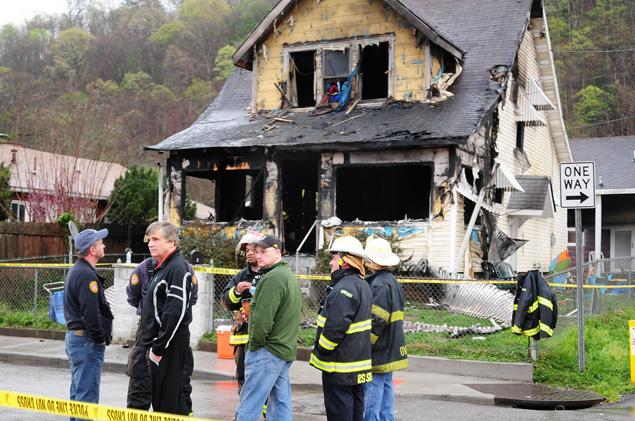
Fire Damage Claim Help
Fire Damage Claims
A fire damage claim is rarely just about what burned. Smoke, soot, odor, water from firefighting, contents, code upgrades, temporary living costs, and business interruption can all become part of the claim.
Get Claim Help reviews fire damage insurance claims for homeowners, business owners, condominium associations, and property managers who need the full loss documented before the settlement is treated as final. For 20 years, we have helped policyholders organize the claim file from the policyholder side, not the insurance company’s side.
Fire claims can move fast in the beginning, but the real cost of recovery usually appears in layers. Emergency work, structural repairs, smoke cleaning, HVAC cleaning, contents handling, permits, code upgrades, and temporary housing or business downtime all need to be reviewed.
Direct Answer
A fire damage claim is a property insurance claim for damage caused by fire, smoke, soot, heat, firefighting water, emergency services, contents damage, additional living expense, business interruption, and related repair or cleanup costs.
What Fire Claims Often Include
- Structural damage: framing, roofing, walls, ceilings, flooring, windows, doors, electrical, plumbing, and HVAC systems.
- Smoke and soot damage: residue, odor, HVAC contamination, electronics, fabrics, furniture, insulation, and hidden spread into rooms away from the flame source.
- Water damage: damage from firefighting, suppression systems, emergency response, demolition, and mitigation.
- Contents damage: furniture, clothing, appliances, electronics, business property, inventory, documents, and personal items.
- Extra costs: additional living expense, temporary relocation, board-up, debris removal, code upgrades, permits, and business interruption.
Where Fire Claims Get Underpaid
Fire estimates can look detailed while still missing major parts of the loss. The carrier may focus on the burned area and undercount smoke movement, odor, contents, cleaning standards, HVAC contamination, water damage, code issues, or the real sequence of reconstruction.
 Smoke and Soot ClaimsSmoke, odor, HVAC, contents, and residue damage often need documentation beyond the burned area.
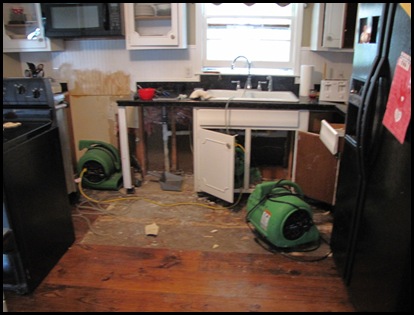 Damage DocumentationOrganize fire reports, photos, contents records, cleanup invoices, contractor estimates, and rebuild details.
 Underpaid ClaimsFire settlements can miss smoke spread, code upgrades, contents, water damage, and repair sequencing.
 Free Claim ReviewReview the file before accepting a payment that does not match the full fire-loss recovery plan.
Documents That Help a Fire Damage Claim
- Fire department report, incident report, claim number, date of loss, and inspection notes.
- Photos and videos before cleanup, during mitigation, after demolition, and throughout repairs.
- Insurance estimate, payment letter, denial or coverage letters, and depreciation breakdown.
- Contractor estimates, cleaning estimates, smoke and soot reports, HVAC reports, engineering reports, and code notes.
- Board-up, mitigation, emergency services, debris removal, temporary repair, storage, and pack-out invoices.
- Contents inventory, receipts, model numbers, business property records, ALE receipts, and business interruption records where relevant.
How Get Claim Help Reviews Fire Claims
- Separate the damage categories. Fire, smoke, soot, water, contents, temporary costs, and business loss should not be lumped into one vague estimate.
- Compare the estimate to the actual repair path. The scope should reflect demolition, cleaning, rebuilding, code, sequencing, and access needs.
- Review the policy and payment structure. Limits, deductibles, replacement cost, depreciation, ALE, ordinance or law, and business-income coverage can matter.
- Identify missing documentation. Fire claims often need better photos, reports, inventories, invoices, or expert support.
- Explain the next practical step. That may be documentation, supplement review, estimate review, negotiation, business interruption support, or appraisal review depending on the file.
Fire Claim Examples
A kitchen fire may damage cabinets, appliances, walls, ceilings, flooring, wiring, ductwork, and personal property while smoke spreads into bedrooms and closets. A garage fire may involve structural repair, soot, contents, tools, vehicles, electrical systems, and odor treatment. A commercial fire may include building damage, equipment, stock, tenant improvements, business interruption, extra expense, and code upgrades.
The right claim strategy depends on the policy and evidence. The important point is that fire losses should be reviewed as a full recovery problem, not just a burn-mark estimate.
Mini Checklist Before Accepting a Fire Claim Payment
Before accepting a fire claim payment as complete, slow the file down enough to check the categories that are easiest to miss. A fire estimate should not only answer what burned. It should explain what smoke touched, what water affected, what contents need cleaning or replacement, what code issues affect rebuilding, and what temporary costs are still open.
- Confirm every affected room was inspected for smoke, soot, odor, and residue.
- Compare the carrier estimate against contractor, cleaning, HVAC, contents, and mitigation estimates.
- Check whether emergency services, board-up, debris removal, permits, code upgrades, and temporary housing are addressed.
- Review contents documentation for photos, receipts, model numbers, cleaning decisions, replacement costs, and storage invoices.
- For commercial losses, separate building damage, business property, stock, equipment, business interruption, and extra expense.
Trust and Proof Signals in a Fire Claim
A stronger fire claim is built from evidence that a reviewer can follow without guessing. The claim should connect the cause of loss, emergency response, inspection findings, cleaning scope, repair estimate, contents inventory, and policy sections. When those pieces are organized, the file becomes easier to understand for the carrier, contractors, consultants, and anyone reviewing the dispute later.
Get Claim Help brings the policyholder-side view to that process. The focus is practical: what was damaged, what documentation exists, what appears missing, what the policy may require, and what next step gives the claim the clearest support.
Related Claim Help
Frequently Asked Questions
Does fire insurance cover smoke and soot damage?
Fire claims often include smoke and soot damage, but the scope depends on the policy, cause, evidence, cleaning needs, and whether the damage is properly documented.
What if the insurance estimate only pays for the burned area?
The estimate should be reviewed against smoke spread, water damage, contents, HVAC, code, cleaning, and the full repair scope. A limited estimate may not tell the whole story.
Should I keep damaged contents?
When safe and practical, damaged contents should be photographed, listed, and preserved until they are documented. If items must be discarded, document them first.
Can a business fire claim include lost income?
Commercial policies may include business income or extra expense coverage. The financial records, period of restoration, and cause of interruption must be reviewed.
Can Get Claim Help review a fire claim that was already paid?
Yes. A paid fire claim may still be underpaid if damage, contents, smoke, code, ALE, business interruption, or repair scope was missed.
Request a Fire Claim Review
If the fire estimate does not reflect the full damage, smoke spread, contents, cleanup, temporary costs, or rebuild scope, ask for a review before treating the payment as final.
Free claim review
Ask Get Claim Help to Review Your Claim
Send the claim team a few details and start with a practical review of the loss, the policy, and what has happened so far.
Prefer to talk now? (888) 882-6792