
Water and Mold Damage Claims
Get help with water and mold damage insurance claims, including leaks, mitigation, hidden moisture, dry-out records, mold remediation, and underpaid estimates.
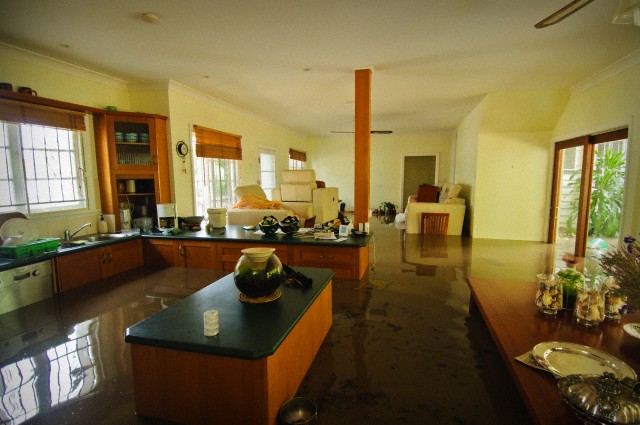
Water and Mold Claim Help
Water and Mold Damage Claims
Water damage can move behind walls, under floors, through cabinets, into insulation, and into areas the first inspection may not fully document. Mold concerns can make the claim even more complicated.
Get Claim Help reviews water and mold damage insurance claims for policyholders who need the source, water path, mitigation, repair scope, and documentation organized clearly. For 20 years, we have helped homeowners, businesses, associations, and property managers understand what the claim file needs before the settlement is accepted as complete.
Water and mold claims often involve urgent mitigation and slow-moving disputes at the same time. The property needs to be dried, protected, and repaired, but the claim also needs a clean record of what happened, what was removed, what remains damaged, and what the policy may cover.
Direct Answer
A water and mold damage claim is a property insurance claim involving water intrusion, plumbing leaks, burst pipes, appliance leaks, roof leaks, mitigation, drying, repairs, and mold concerns that may result from hidden or unresolved moisture.
What Water Damage Claims Often Include
- Source and cause: pipe breaks, appliance leaks, supply lines, roof leaks, storm openings, backups, overflow, or other water events.
- Water path: walls, ceilings, floors, cabinets, baseboards, insulation, crawl spaces, attics, and adjoining rooms.
- Mitigation: dry-out, demolition, moisture readings, equipment logs, antimicrobial work, and emergency invoices.
- Repair scope: drywall, flooring, cabinetry, paint, trim, electrical, plumbing access, contents, and matching concerns.
- Mold issues: testing, remediation, containment, source correction, policy limits, exclusions, and post-remediation clearance where relevant.
Where Water and Mold Claims Get Underpaid or Denied
Water claims often become disputes because the first estimate does not follow the full water path. Mold claims can become disputes because the carrier questions the cause, timing, policy limits, or whether the mold resulted from a covered water loss.
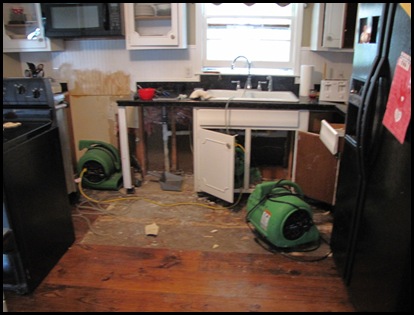 Pipe Burst ClaimsPlumbing leaks can involve access repairs, drying records, cabinets, flooring, walls, and hidden moisture.
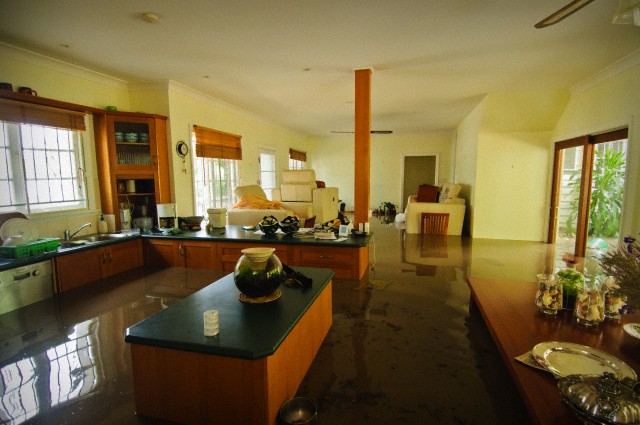 Mold Damage ClaimsMold concerns need careful documentation of source, moisture, testing, remediation, and policy limits.
 Estimate ReviewReview whether the estimate accounts for demolition, drying, access, finishes, cabinets, and reconstruction.
 Underpaid ClaimsWater losses are commonly underpaid when hidden damage, mitigation, contents, or rebuild scope is missed.
Documents That Help a Water or Mold Claim
- Photos and videos of the source, water path, wet materials, removed materials, and affected rooms.
- Mitigation invoices, dry logs, moisture readings, equipment logs, demolition records, and emergency service notes.
- Plumbing, roofing, appliance, HVAC, remediation, testing, or contractor reports explaining cause and repair needs.
- Insurance estimate, payment letter, denial letter, reservation letter, depreciation breakdown, and supplement responses.
- Contractor repair estimates for cabinets, flooring, drywall, paint, trim, insulation, contents, and access damage.
- Policy language, mold sublimits, water exclusions, duties after loss, and reporting timeline.
How Get Claim Help Reviews Water and Mold Claims
- Identify the water source and claim status. Sudden leaks, pipe bursts, roof leaks, and long-term disputes require different evidence.
- Trace the water path. The claim should show where water traveled and what materials were affected, removed, dried, cleaned, or replaced.
- Review mitigation and repair records. Dry logs, invoices, photos, contractor estimates, and reports need to line up.
- Review mold concerns carefully. Cause, timing, policy language, remediation scope, testing, and limits may affect the next step.
- Explain what appears missing. The file may need more documentation, estimate review, policy review, or negotiation support.
Water and Mold Claim Examples
A burst pipe may damage ceilings, walls, floors, cabinets, insulation, electrical fixtures, and contents while also requiring access repairs and mitigation. A slow-discovered appliance leak may create a dispute over timing, hidden moisture, cabinet removal, flooring replacement, and mold. A roof leak after a storm may involve both roof damage and interior water damage, which should be documented together instead of treated as disconnected issues.
The claim should be reviewed based on the policy and evidence. The important question is whether the insurance estimate follows the actual water path and repair needs.
Mini Checklist Before Accepting a Water or Mold Claim Payment
Water damage claims should be reviewed before the file is closed because the visible damage is often only part of the loss. A complete review should follow the water from the source through every affected material, then compare the mitigation record and repair estimate against that path.
- Confirm the source of water and whether the policy treats it as sudden, accidental, flood, backup, seepage, or another category.
- Review moisture readings, dry logs, demolition photos, equipment records, and mitigation invoices.
- Check cabinets, flooring, baseboards, drywall, insulation, contents, adjacent rooms, and access repairs.
- Review mold testing, remediation estimates, containment needs, policy limits, exclusions, and cause documentation.
- Compare the carrier estimate against contractor scope, remediation scope, dry-out records, and remaining repair needs.
Trust and Proof Signals in a Water or Mold Claim
A water or mold claim becomes stronger when the file explains cause, timing, water path, mitigation, remaining damage, and repair scope in a clean sequence. Photos alone may not be enough. Dry logs, moisture maps, plumber findings, remediation reports, invoices, and contractor estimates help show why the requested work belongs in the claim.
Get Claim Help reviews the file from the policyholder side and looks for gaps that can create low payments, delays, or denials. The goal is a better-organized record, not guesswork.
Related Claim Help
Frequently Asked Questions
Does insurance cover water damage?
Coverage depends on the policy, source, timing, cause, exclusions, and documentation. Sudden and accidental water damage is different from long-term leakage or flood damage.
Is mold covered after water damage?
Mold coverage depends on the policy and facts. Some policies limit mold coverage or require proof that mold resulted from a covered water loss.
What should I document before cleanup?
Photograph and video the source, water path, damaged materials, wet contents, and every affected room when safe. Save invoices, dry logs, and reports.
What if the insurance estimate does not include cabinets or flooring?
The estimate should be compared to photos, moisture readings, contractor scope, material damage, matching concerns, and the actual repair path.
Can Get Claim Help review a denied water claim?
Yes. Denied water claims can be reviewed against the policy, denial reason, source evidence, timeline, photos, and mitigation records.
Request a Water or Mold Claim Review
If the estimate misses hidden moisture, mitigation, cabinets, flooring, mold concerns, or the full repair scope, ask for a review before the claim gets harder to correct.
Free claim review
Ask Get Claim Help to Review Your Claim
Send the claim team a few details and start with a practical review of the loss, the policy, and what has happened so far.
Prefer to talk now? (888) 882-6792